Designing the Ideal Personalized Fresh Boxes: A Progressive Guide
Constructing custom produce boxes requires a strategic method. Specialists must consider sustainability, practicality, and visual appeal. Choosing the suitable components is vital for maintaining freshness and advancing eco-friendly methods. Additionally, dimensions and shape can greatly affect usability and shipping effectiveness. Effective graphics enhance brand recognition, while detailed testing ensures durability. Comprehending these components will discover key insights into creating standout packaging strategies that appeal to customers. What follows is essential to achieving those goals.
Choosing the Right Components for Custom Produce Boxes
When evaluating materials for custom produce boxes, it is important to review both functionality and sustainability. The selection of material significantly determines the box's strength, weight, and ability to shield the contents. Common materials feature corrugated cardboard, which offers strength and is recyclable, making it a favored choice for green-minded businesses. Biodegradable options, such as molded pulp or plant-based plastics, also support sustainable practices while delivering appropriate protection for delicate produce.
Additionally, moisture protection is important for keeping freshness intact, leading some suppliers to consider specially processed substances or specialized coatings. The visual character of the box must not be ignored, as brand messaging and design aesthetics can impact customer attitudes. Ultimately, the suitable material should maintain equilibrium between protecting the produce, appealing to customers, and adhering to environmental standards, ensuring both functionality and sustainability are prioritized to the design process.
How to Find the Right Size and Shape for Practical Application?
When deciding on the form and dimensions of custom produce boxes, careful assessment of produce dimensions is essential for proper storage. Additionally, attention to movement and transportation can impact the box design, ensuring ease of movement. Maximizing shelf space usage further improves functionality, allowing for efficient display and storage.
Examine Produce Dimensions Thoroughly
Determining the proper proportions for produce boxes is vital for smooth operations and productivity. Careful measurement of produce measurements is essential, as it makes sure that items fit firmly without unnecessary space that might create damage during warehousing and delivery. Made-to-order containers need to handle multiple shapes, from soft berries to oversized produce, while maintaining durability. Additionally, the height and width of the boxes should allow for proper layering and systematic organization, optimizing space in warehouse spaces. A quality-built box not only preserves the produce but also enhances market presentation for end customers. Ultimately, meticulous planning of dimensions supports minimizing waste and improving customer journey in the logistics network.
Examine Handling and Transport Practices
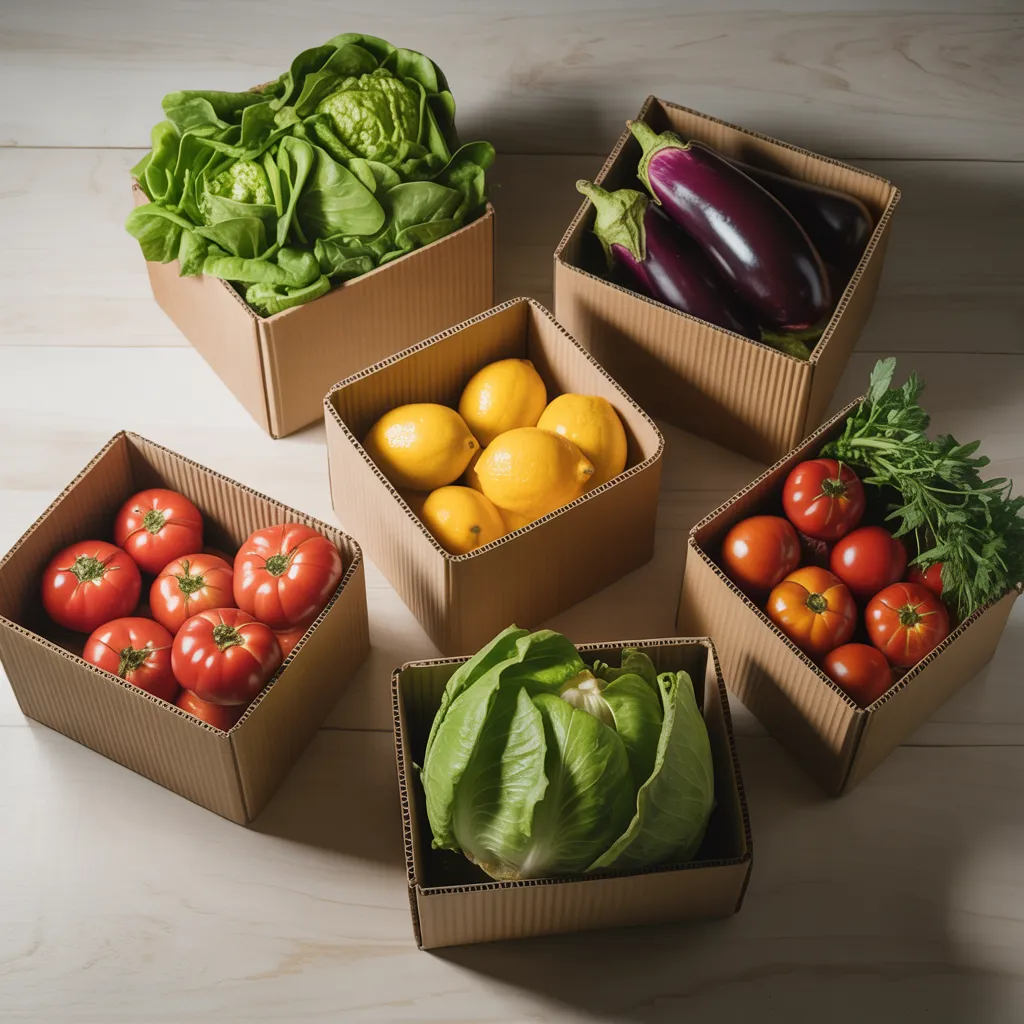
Handling and logistics factors serve as background information a considerable function in determining the appropriate size and contour of tailored agricultural boxes. The dimensions should accommodate the items lacking excessive room, this would result in shifting and deterioration throughout transit. Smaller, compact boxes facilitate easier care, whereas larger boxes may become vital when handling oversized goods. Moreover, ergonomic design is critical; grip areas and openings must be strategically placed to allow for pleasant hoisting combined with moving. The configuration of the box likewise influences nesting and balance, confirming where products keep protected. In conclusion, thoughtful review of these considerations enhances the streamlining of shipping, minimizes goods damage, plus preserves the comprehensive integrity concerning the produce from orchard reaching consumer.
Optimize Shelf Space Utilization
Effective shelf space usage is based on determining the proper size and shape of custom storage containers. Specialists should take into account the layout specifications of the storage shelves as well as the types of produce being positioned. Rectangular boxes often solidify space optimization, allowing for smoother stacking and alignment. By contrast, nonstandard shapes can amplify aesthetic quality but may result in unutilized gaps if not thoroughly considered.
It's critical to assess the inventory turnover rate; slow-turning items might benefit from smaller, conveniently accessible containers. In addition, incorporating flexible or customizable structures can accommodate varying product dimensions while refining display organization. By centering on aesthetic and functional qualities, retailers can establish a practical and aesthetically pleasing presentation that enhances both ease of access and promotional impact.
How to Create Graphics That Capture Interest?
Engaging graphics can convert a basic custom produce box into a visual masterpiece that captures attention. To accomplish this, creatives should begin by selecting a color scheme that reflects the vitality and vibrancy of the produce. Bright, eye-catching colors can evoke sensations of freshness and health, compelling consumers to take a second glance.
Strong typography proves equally vital; readable typefaces can properly convey essential information while strengthening visual appeal. Additionally, using excellent photographs of the produce can build instant rapport, showcasing the product's quality and motivating prospective clients.
In addition, integrating distinctive visuals and patterns can help differentiate the brand in a saturated market. Consistency in visual aspects, such as logos and taglines, reinforces brand identity. Ultimately, a blend of creativity and clarity in graphic design can substantially improve the influence of custom produce boxes, helping them become distinctive on shelves.
Eco-Friendly Practices for Custom Produce Box Wrapping
An increasing number of businesses are introducing eco-friendly practices for custom produce box packaging, recognizing its importance in today's green-minded market. These practices often include the use of compostable materials, such as recycled paper and plant-based plastics, which minimize environmental impact. Companies are also focusing on responsible procurement, ensuring that materials are obtained from responsibly managed forests or suppliers who champion environmental stewardship.
Additionally, many brands are choosing minimalistic layouts that decrease waste while still successfully showcasing their products. This approach not only appeals to environmentally aware consumers but also helps in lowering production costs. Moreover, businesses are increasingly adopting streamlined manufacturing processes that restrict energy consumption and waste generation. By incorporating these sustainable practices, companies not only improve their brand image but also contribute positively to the planet, matching their operations with a sustainable future.
Testing Your Personalized Produce Box Layout
Testing the design of bespoke vegetable packaging is an significant phase in assuring they fulfill both appearance-based and functional requirements. This undertaking usually encompasses examining components such as durability, capacity, and usability. First, working models should be created to inspect the package's overall soundness, making sure it can withstand transportation and preservation without compromising the contents.
Next, user experience evaluations can be conducted to assess how effortlessly the boxes can be unlocked, closed, and stacked. Feedback from potential users can be priceless in this phase, providing perspectives into the box's functionality.
Additionally, the visual impact of the design should be examined through focus groups or surveys, assessing consumer feedback to brand design elements, colors, and overall presentation.
In the end, comprehensive evaluation permits designers to improve the box, guaranteeing it not only appeals to customers but also effectively safeguards and displays the produce within, achieving the right balance between form and function.
Promoting Your Tailored Produce Boxes Successfully
Effective marketing of personalized produce boxes necessitates a well-planned strategy that highlights their distinctive advantages and value. Organizations must focus on identifying their intended customers, including local farms, grocery stores, or individual consumers. Utilizing social networking sites can enhance brand awareness, presenting the boxes' appearance and functionality through compelling visuals and storytelling.
Additionally, establishing partnerships with neighborhood advocates and farming professionals can enhance standing and enlarge reach. Delivering promotions or discounts during seasonal peaks can win over initial consumers and support repeat business.
Moreover, emphasizing sustainability and eco-friendliness in advertising content can connect with environmentally conscious consumers. Delivering detailed information about the composition of materials and the positive aspects of personalized packaging options can help differentiate the product in an increasingly competitive landscape.
In the end, a detailed promotional strategy that integrates online and neighborhood-level efforts will efficiently advance custom produce boxes, engaging a mixed clientele and driving sales.
Frequently Asked Questions
What Are the Expenses Connected With Custom Produce Box Design?
Costs connected to custom produce box design include materials, printing, workforce expenses, and delivery. Additionally, design work and production minimums can affect overall costs, resulting in varying pricing based on particular needs and production scale.
What Length of time Is Needed to Make Tailored Boxes?
The manufacturing of personalized packaging typically takes anywhere from two to six weeks. Elements affecting this schedule consist of intricacy of design, availability of materials, and manufacturing capacity, all of which can affect delivery schedules and lead times.
Is it Possible to Order a Small Volume of Custom Produce Boxes?
Yes, modest amounts of tailored vegetable containers can typically be ordered. Many suppliers provide minimum order quantities, allowing companies or people to obtain customized packaging options without needing to commit to substantial volumes initially.
What Common Blunders Must Be Prevented in Made-to-Order Box Creation?
Common mistakes in custom box design include neglecting functionality, disregarding brand consistency, undervaluing material quality, not considering target audience preferences, and disregarding environmental impact. Each aspect is essential for effective packaging and customer satisfaction.
How Can I Confirm My Boxes Are Food-Safe?
To guarantee boxes remain safe for food consumption, you should select components certified for food contact, prevent harmful inks and adhesives, maintain cleanliness during production, and consistently monitor for compliance with health regulations and safety standards.